Are You a Good Candidate for Dental Implants? A DC Checklist
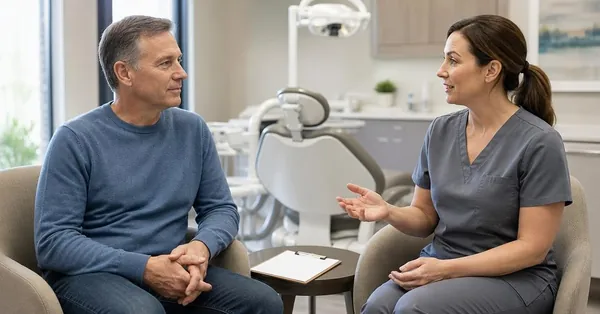
If you are researching dental implants in Washington, DC, the first question is usually not "How does it work?" It is "Am I even a good candidate?" The good news is that many adults qualify for implant treatment, including people who have been missing teeth for a while or who feel nervous about surgery.
TL;DR - A Quick Dental Implant Candidacy Checklist for DC Patients
A successful implant plan starts with the right foundation: healthy gums, enough bone support (or a way to rebuild it), and a health history that supports healing. A consultation confirms what applies to you.
- You may be a strong candidate if your gums are stable and you can maintain good oral hygiene.
- Bone loss does not automatically disqualify you; a bone graft may rebuild support when needed.
- Medical history matters; some conditions or medications can change timing and planning.
- Smoking and vaping can increase risk; reducing or quitting can improve healing.
- Dental anxiety is common; sedation dentistry may help you complete treatment comfortably.
For an overview of treatment options, you can also review our dental implants in Washington, DC service page.
In our previous blog, "What to Expect: Pre, During, & Post Bone Grafting in Washington," we discussed how grafting supports long-term stability. In this article, we focus on the bigger candidacy question and what happens when bone is missing.
What "Good Candidate" Really Means for Dental Implants in Washington
Implant candidacy is not a single yes-or-no checkbox. It is a combination of anatomy, oral health, overall health, and personal preferences (including comfort with treatment). In our experience, the most successful plans are the ones where the evaluation is thorough and expectations are clear from the start.
A Simple Self-Check Before You Schedule
- Missing one or more teeth: Implants can replace a single tooth or support multiple teeth.
- Gum health: Healthy gums help support healing and long-term stability.
- Jawbone support: Enough bone is needed to anchor the implant, but rebuilding may be possible.
- Health supports healing: Your surgeon will review conditions and medications that impact recovery.
- You want a fixed option: Many patients prefer implants because they do not rely on neighboring teeth like some alternatives can.
Key Candidacy Factors Your Oral Surgeon Will Evaluate
1) Gum Health and Oral Hygiene Habits
Implants need a clean, healthy environment. If there is active infection or ongoing gum inflammation around remaining teeth, the first step may be stabilizing oral health so the implant site heals predictably.
2) The Amount and Quality of Jawbone
Bone volume matters because the implant must be supported by bone during healing and function. If you have been missing a tooth for a while, bone can shrink over time. That is one reason some patients are told they may need bone grafting in Washington before an implant can be placed.
If you want to learn more about rebuilding support, visit our bone grafting in Washington, DC page.
3) Your Health History (and What It Means for Healing)
Certain medical conditions or medications can affect how the body heals or fights infection. During your consultation, your surgeon will review your full history and help you understand how it impacts timing, safety, and treatment planning. If coordination with your physician is needed, that can be part of a careful plan.
4) Smoking or Vaping
Nicotine use can increase complication risk and slow healing in many oral surgery situations. If you smoke or vape, be upfront at your visit so you can get realistic guidance on how to reduce risk.
5) Your Bite, Tooth Position, and Treatment Goals
The "right" implant plan should fit your bite and lifestyle. Some patients want a fixed tooth replacement, while others are comparing options. If you are weighing implants against alternatives, our article Implants vs Bridges vs Dentures: DC Choice Guide can help you organize questions for your consult.
If You Have Bone Loss, You Still Might Qualify
Bone loss is common, especially after a tooth has been missing for some time. The important point is that bone loss does not always mean "no implants." In many cases, the plan simply changes. That might mean grafting, a staged approach, or another implant strategy based on anatomy and safety.
If this is your situation, you may also find our related article helpful: The Role of Bone Grafting for Dental Implants | Washington.
Dental Anxiety? Sedation Can Be Part of Your Plan
Many people delay implants because they are worried about discomfort, dental fear, or feeling out of control. If that sounds familiar, ask about sedation dentistry in Washington. The goal is a calmer, more manageable experience, especially for patients who feel nervous about oral surgery.
You can learn more on our sedation dentistry in Washington, DC page, including what to expect and how safety is prioritized.
What Happens at Your Implant Candidacy Consultation?
A candidacy visit typically includes a detailed conversation about your goals, a review of medical and dental history, and imaging to evaluate bone and anatomy. Your surgeon will then explain what options make sense for your situation, including whether a bone graft is recommended and whether sedation may be appropriate.
If you like to plan ahead, our First Visit page may also be useful before your appointment.
FAQs
Most candidates have healthy gums, enough jawbone (or the option to rebuild it), and overall health that supports healing. The best way to confirm candidacy is an implant consultation that includes a review of your medical history and imaging.
Often, yes. If there is not enough jawbone to support an implant, your surgeon may recommend a bone graft so the site can become stable enough for implant placement.
Some medical conditions and medications can affect healing and infection risk. During your consultation, your surgeon will review your full health history and coordinate with your physician when needed.
Yes. Many patients choose sedation dentistry to feel calmer and more comfortable. Your surgeon will discuss which sedation approach is appropriate for your health history and procedure.
Bring a current medication list, relevant medical history details, and questions about timelines, bone grafting needs, and sedation options. If you have recent dental records or imaging, bring those as well.
Related Reading
- Dental Implants in Washington, DC
- Bone Grafting in Washington, DC
- Sedation Dentistry in Washington, DC
- Choosing the Right Surgeon for Dental Implants in Washington
- Implants After Bone Loss? Candidacy Guide
Conclusion
If you are missing teeth and wondering whether implants are realistic for you, focus on the factors that truly matter: gum health, bone support, healing ability, and a plan that matches your comfort level. A consultation can clarify whether you are ready now or whether a step like a bone graft can help you move forward safely.
Schedule a Dental Implant Consultation
Dr. Tania Nkungula and the ORAL SURGERY DC team help patients understand their options with clear, practical recommendations. To schedule a consultation, call (202) 610 0600.




5 Stars
based on 11 reviews
5 Stars
based on 11 ratings