Foods to Avoid After Dental Implants in Washington
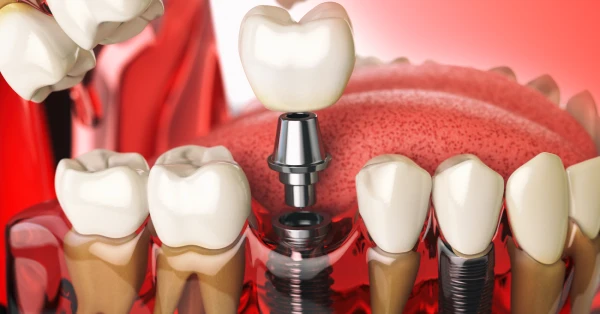
Recovering from dental implant surgery requires careful attention to your diet. What you eat in the days and weeks after the procedure can directly affect healing, comfort, and the long-term success of your treatment. Dental implants are designed to restore missing teeth with strength, stability, and a natural appearance, but proper aftercare is essential. Avoiding certain foods helps protect the implant site, reduce irritation, and support a smoother recovery process.
In a previous blog, we compared different full-arch implant options to help patients understand how treatment choices can impact long-term results. In this blog, we will focus on the foods you should avoid after surgery and why making the right dietary choices matters during recovery.
Why Diet Matters After Dental Implant Surgery
After getting dental implants in Washington, your gums and jawbone need time to heal and integrate with the implant. This process, known as osseointegration, is essential for creating a stable foundation for your replacement tooth. Eating the wrong foods during this period can irritate the surgical site, increase the risk of infection, or even delay healing.
-
Hard and Crunchy Foods
One of the main types of food to avoid after implant surgery is anything hard or crunchy. Foods such as chips, nuts, popcorn, crackers, and hard candy can place pressure on the surgical site. These foods may also break into small pieces that can become trapped around the implant area, leading to discomfort and making it harder to keep the site clean. During the healing period, it is best to stay away from anything that requires strong biting or chewing.
-
Sticky and Chewy Foods
Sticky and chewy foods can also cause problems after implant placement. Caramel, chewing gum, taffy, and other similar foods may cling to the teeth and gums, which can irritate the area and make oral hygiene more difficult. Chewy foods also place extra stress on your mouth while you are still healing. Avoiding these foods can help prevent unnecessary strain on the implant site.
-
Spicy and Hot Foods
Spicy foods and very hot meals or drinks may irritate the gums, especially during the first few days after surgery. Heat and spice can increase sensitivity and make the healing area feel more uncomfortable. It is better to choose lukewarm, mild foods until your mouth begins to recover and your dentist confirms that you can return to a more regular diet.
-
Acidic and Sugary Items
Highly acidic foods and drinks, such as citrus fruits, tomatoes, and soda, should also be limited after dental implant surgery. These can irritate sensitive tissues and create discomfort around the treatment area. Sugary foods and beverages should also be avoided because excess sugar can encourage bacterial growth, which may interfere with healing and raise the risk of infection.
Supporting a Smooth Recovery
Following your dentists aftercare instructions is one of the best ways to protect your results and recover comfortably. In some cases, treatments such as bone grafting in Washington may be recommended before implant placement to improve jawbone support and create a stronger foundation for long-term success. During recovery, softer foods such as yogurt, mashed potatoes, oatmeal, smoothies, and soup are often easier to manage and gentler on the healing area.
Conclusion
Avoiding the wrong foods after implant surgery can make a major difference in how quickly and comfortably you heal. By staying away from hard, sticky, spicy, acidic, and sugary foods, you can protect the implant site and support lasting results. Patients who feel nervous about treatment may also ask about sedation dentistry in Washington to make the overall dental experience more relaxed and comfortable. For personalized guidance about recovery, aftercare, and implant treatment, call (202) 610 0600 today to schedule your consultation.




5 Stars
based on 11 reviews
5 Stars
based on 11 ratings