Debunking Myths About Bone Grafting in Washington
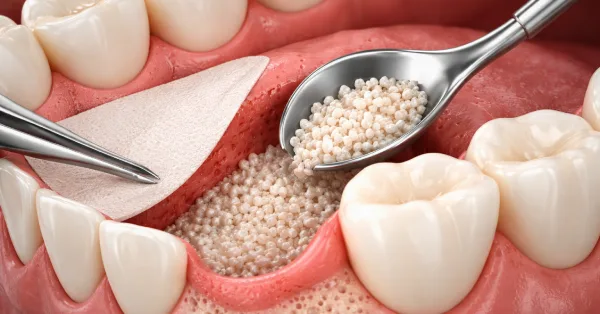
Bone grafting is a common dental procedure that helps rebuild and strengthen the jawbone when bone loss occurs. Despite its importance in modern dentistry, many patients hesitate to consider this treatment because of misconceptions they have heard. Understanding the facts behind bone grafting can help patients make informed decisions about their oral health and feel more confident when discussing treatment options with their dentist.
In our previous blog, we explored the different types of bone grafting procedures and how they help restore jawbone health. In this article, we address some common misconceptions about bone grafting and clarify the facts behind this important dental treatment.
Why Bone Grafting in Washington Is Often Misunderstood
Many patients researching bone grafting in Washington come across mixed information online, which can lead to confusion about the procedure. Older beliefs and incomplete information often create myths about pain, safety, and recovery. However, modern dental techniques have made bone grafting a safe and predictable treatment. Understanding the facts helps patients separate common myths from the reality of todays dental care.
Myth 1: Bone Grafting Is Extremely Painful
One of the most common concerns patients have is that bone grafting will be very painful. In reality, modern dental techniques and local anesthesia make the procedure much more comfortable than many people expect. Dentists carefully numb the treatment area and use advanced methods designed to reduce discomfort during the procedure. After treatment, most patients experience only mild soreness that typically improves within a few days and can be managed with medication recommended by the dentist.
Myth 2: Bone Grafting Is Only Needed for Dental Implants
Many people believe that bone grafting is only performed before implant treatment. While bone grafting is often recommended to prepare the jaw for dental implants in Washington, it is also used in other situations. Bone loss may occur due to gum disease, injury, infection, or long-term tooth loss. Rebuilding the bone can help stabilize the jaw and support surrounding teeth, improving overall oral health.
Myth 3: The Recovery Process Is Extremely Long
Another common misconception is that bone grafting requires a very long and complicated recovery period. Healing time can vary depending on the patients oral health and the type of graft used, but many people recover faster than they expect. Dentists provide clear aftercare instructions to help the area heal properly. Following these guidelines, such as maintaining good oral hygiene and attending follow-up visits, can help ensure a smooth recovery.
Myth 4: Bone Grafting Is Unsafe
Bone grafting is a well-established dental procedure that has been performed successfully for many years. Dentists use carefully selected grafting materials that support natural bone growth and help restore the structure of the jaw. With modern dental technology and improved treatment planning, the procedure has become highly predictable and safe when performed by experienced dental professionals.
Myth 5: Patients Must Stay Awake and Uncomfortable
Some patients worry that they will feel anxious or uncomfortable during the procedure. However, dental practices understand that anxiety can be a barrier to treatment. In certain cases, sedation dentistry in Washington may be recommended to help patients remain calm and relaxed throughout the procedure. This approach allows dentists to perform the treatment efficiently while ensuring patient comfort.
Conclusion
Bone grafting plays an important role in restoring jawbone strength and supporting long-term oral health. By rebuilding areas affected by bone loss, this treatment can help patients maintain a healthier smile and prepare for future restorative care when needed. Many concerns about bone grafting come from outdated myths rather than modern dental realities. Learning the truth about the procedure can help patients feel more confident when exploring treatment options.
If you would like to learn more about bone grafting or discuss whether this treatment may be right for you, contact our office today to schedule a consultation. Call (202) 610 0600 to speak with our team and receive personalized guidance for your dental care.



5 Stars
based on 11 reviews
5 Stars
based on 11 ratings