A Complete Overview of the Types of Bone Grafting in Washington
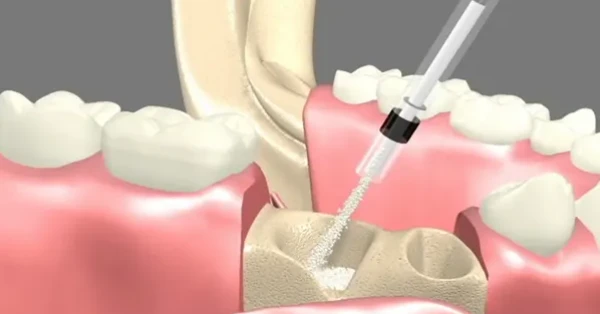
TL;DR Types of Bone Grafts Explained
- Bone grafting rebuilds lost jawbone to support oral health and future dental treatments
- Autografts use a patients own bone and offer high compatibility
- Allografts come from human donors and avoid a second surgical site
- Xenografts provide long-lasting structural support using animal-based bone
- Synthetic grafts offer a predictable, lab-engineered alternative
- The right graft type depends on bone loss, treatment goals, and healing needs
Bone grafting is an oral surgery procedure used to rebuild lost or weakened jawbone so it can properly support teeth and future dental treatments. Jawbone loss can occur due to missing teeth, gum disease, infection, or trauma, and without adequate bone volume, restorative options may be limited. Treatments for bone grafting in Washington help restore bone strength, improve oral health, and create a stable foundation for long-term dental solutions by encouraging the body to regenerate new, healthy bone.
4 Common Types of Bone Grafts Used in Oral Surgery DC
Below are four commonly used bone graft types, how they work, and what makes each option unique. Understanding these differences helps patients feel more confident and informed before moving forward with treatment.
-
Autograft (Patients Own Bone)
An autograft uses bone taken from another area of the patients body, such as the jaw, chin, or hip. Because the material comes directly from the patient, it integrates naturally and efficiently with the existing bone.
Key features of autografts:
- Uses the patients own bone for maximum compatibility
- Contains living bone cells that promote faster regeneration
- Low risk of rejection or immune reaction
- Often recommended for larger or complex bone loss cases
Autografts are considered the gold standard in many cases due to their high success rate. However, they may require an additional surgical site, which can slightly increase recovery time.
-
Allograft (Donor Bone)
Allografts are sourced from human donors and processed under strict medical standards to ensure safety and sterility. This option eliminates the need for a second surgical site while still offering reliable bone regeneration.
Key features of allografts:
- Derived from carefully screened human donor tissue
- No need for bone harvesting from the patient
- Supports gradual bone replacement and natural healing
- Widely used for moderate bone loss cases
Allografts are popular because they balance effectiveness with convenience. Over time, the body replaces the donor material with the patients own natural bone.
-
Xenograft (Animal-Based Bone)
Xenografts are made from animal sources, most commonly bovine (cow) bone, which has been purified to remove organic material. What remains is a mineral scaffold that supports new bone growth, allowing the jawbone to rebuild stably and predictably. For patients who feel uneasy about oral surgery, procedures involving xenografts can often be completed comfortably with the support of sedation dentistry in Washington, helping reduce anxiety and improve the overall treatment experience.
Key features of xenografts:
- Provides a strong framework for bone regeneration
- Slowly resorbs, helping maintain bone volume
- Useful for preserving jaw shape and contour
- Frequently used in socket preservation procedures
This type of graft is often selected when maintaining structural support is essential. It allows the body to gradually build new bone while the graft material stabilizes the area.
-
Synthetic Bone Graft
Synthetic grafts are lab-created materials designed to mimic natural bone minerals. They are biocompatible and offer a highly controlled, predictable solution for bone regeneration.
Key features of synthetic grafts:
- Made from advanced biocompatible materials
- No risk of disease transmission
- Consistent structure and predictable performance
- Suitable for patients seeking non-biological options
Synthetic grafts continue to evolve with technology and are often used alone or combined with other graft materials to enhance healing outcomes.
Why Bone Grafting Matters Before Tooth Replacement
Bone grafting is frequently recommended before procedures such as dental implants in Washington, as implants require a strong and stable jawbone for long-term success. Without sufficient bone support, implants may not integrate properly or could fail over time. Grafting helps restore lost bone volume, improves bite stability, and supports natural facial contours.
For patients who feel anxious about oral surgery, comfort-focused solutions like oral sedation or IV sedation can make the entire experience more relaxed and stress-free. Sedation options allow patients to undergo treatment comfortably while remaining safe and monitored throughout the procedure.
Conclusion
Bone grafting is a powerful solution that helps restore oral health, rebuild jawbone structure, and prepare patients for advanced dental treatments. With multiple graft types availableeach offering unique benefitstreatment plans can be tailored to individual needs, bone conditions, and long-term goals. By understanding the differences between autografts, allografts, xenografts, and synthetic grafts, patients can make informed decisions and move forward with confidence toward a healthier, stronger smile.
Take the next step toward a stronger foundation and a healthier smile by scheduling an evaluation with an experienced oral surgery team today at (202) 610 0600.





5 Stars
based on 11 reviews
5 Stars
based on 11 ratings