How Long Does a Bone Graft Take to Heal Before Dental Implants in Washington, DC?
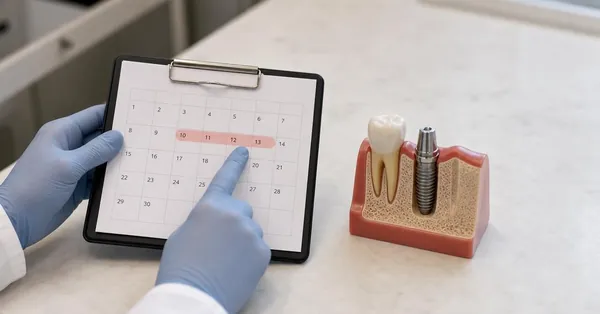
If you are researching bone grafting in Washington because you want dental implants, your biggest question is usually timing. How long will it take before you can move from grafting to implant placement, and what could change that schedule?
In our previous blog, "What to Expect: Pre, During, & Post Bone Grafting in Washington," we discussed what the appointment and early recovery can look like. In this article, we focus on planning the graft-to-implant sequence and the healing checkpoints that matter most.
TL;DR - A Practical Healing Timeline for Implant Planning
Most patients need a healing period of several months after a bone graft before an implant can be placed, but the exact timing depends on the graft type, the size of the site, and your health. Your surgeon confirms readiness at follow-ups, sometimes with imaging, before moving forward.
- First 1 to 2 weeks: gum tissue closes and early swelling/tenderness improve.
- Weeks 3 to 6: the graft begins stabilizing and integrating below the surface.
- 2 to 6+ months: deeper bone remodeling continues, often the key window before implant placement.
- Follow-ups matter: timing is based on how the site looks and feels clinically, not just the calendar.
- Planning tip: schedule consults early if you have a work deadline, travel, or an upcoming event.
Why Healing Time Matters Before Dental Implants
Dental implants rely on stability. When there is not enough bone volume or density in the jaw, a graft can rebuild the foundation so an implant can be placed in a safer, more predictable position.
If you are also comparing restoration options, our team has additional resources on implants as an alternative to dentures and bridges, which can help you understand where grafting fits into the bigger picture.
Typical Bone Graft Healing Milestones Before Implant Placement
Healing is not one single event. It is a series of phases that include gum healing, graft stabilization, and bone remodeling. Below is a patient-friendly way to think about the timeline when your goal is dental implants in Washington.
Phase 1: Early Healing (First 7 to 14 Days)
The first priority is soft tissue healing. You may notice swelling, soreness, and a need for a softer diet. This is also when protecting the surgical site is most important. Many patients feel well enough to return to normal routines quickly, but the graft site still needs protection.
For general post-op guidelines, you can also review our surgical instructions page for helpful reminders about recovery basics.
Phase 2: Stabilization (Weeks 3 to 6)
Even when the gums look healed, the deeper work is still happening. The graft material is becoming more stable as your body begins integrating it. From a planning perspective, this is the phase where patients often feel "normal," but the bone is not necessarily ready to hold an implant yet.
Phase 3: Bone Remodeling (Often 2 to 6+ Months)
This phase is usually the main driver of how long you will wait before an implant can be placed. Your jaw is building and reorganizing bone, creating the structure needed for implant stability. Depending on the situation, your surgeon may recommend waiting longer or, in select cases, may be able to move sooner if the site is stable enough.
What Can Change the Timeline for Bone Grafting in Washington
Two people can have the same procedure and still heal at different speeds. Here are common factors that can shift the schedule:
- Graft size and location: larger or more complex sites often need more remodeling time.
- Type of graft performed: different graft approaches can have different integration patterns.
- Site health: active infection or inflammation can require additional treatment or monitoring.
- Smoking or vaping: nicotine can interfere with healing and graft integration.
- Medical conditions and medications: your overall health can influence healing speed and reliability.
One clinical observation we see in practice is that patients who plan ahead for a few days of lighter activity, prioritize hydration and nutrition, and keep follow-up visits tend to have a smoother recovery experience overall, which helps keep implant planning on track.
How Your Surgeon Confirms You Are Ready for an Implant
Your next step is not based on a generic timeline you find online. It is based on what your surgeon sees at follow-ups. Readiness commonly includes:
- Healthy gums and stable soft tissue over the graft site
- No signs of infection or persistent inflammation
- Sufficient bone volume and quality for implant stability, confirmed clinically and, when needed, with imaging
- A treatment plan that matches your bite and long-term goals
If you want a deeper overview of the implant procedure itself, visit our main dental implants in Washington, DC page.
Scheduling Tips for Patients Planning Around Work, Travel, and Events
If your calendar is tight, the best move is to start the conversation early. When you schedule a consultation, bring a few anchor dates (travel, weddings, major presentations) so your surgical plan can be built with real-life logistics in mind.
Quick Planning Checklist
- Ask what follow-up visits are expected, and book them before your schedule fills.
- Plan soft foods for the first several days, especially if you have a busy week.
- Tell the team if you have dental anxiety so you can discuss comfort options ahead of time.
If you are interested in comfort options, our sedation dentistry in Washington, DC page explains common approaches and planning considerations.
FAQs
Healing time depends on the type and size of the graft and your overall health. Many patients need several months before an implant can be placed, and your surgeon confirms readiness at follow-up visits using an exam and imaging when appropriate.
Not always. A bone graft is recommended when there is not enough bone to stabilize an implant in the ideal position. An evaluation and imaging help determine whether grafting is needed and what type is most appropriate.
Larger graft sites, certain medical conditions, smoking or vaping, infection, and not following post-op instructions can delay healing. Your care team will review your health history and provide aftercare steps to support predictable recovery.
Readiness is based on clinical healing (healthy gums, no signs of infection, stable site) and confirmation that the graft has integrated well enough to support an implant. Follow-up appointments and imaging when needed guide the timing.
Sedation options may be available depending on your procedure and medical history. If anxiety is a concern, ask about sedation dentistry so you can plan transportation, recovery time, and post-op support.
Start by scheduling your consultation early and sharing any important dates. Your surgeon can outline likely milestones and follow-ups, then build a plan for bone graft healing and implant placement that fits your calendar while staying medically appropriate.
Related Reading
- Bone grafting overview
- Dental implants overview
- Healing timeline for dental implants
- The role of bone grafting for dental implants
- Implants after bone loss candidacy guide
Conclusion
The most accurate answer to "how long does a bone graft take to heal before implants?" is: long enough for your specific graft to become stable, integrated bone that can support a dental implant safely. In Washington, DC, that often means planning for months, plus follow-ups that confirm your site is ready.
If you are considering a bone graft in Washington as the first step toward implants, our team can help you map out a timeline that fits your health and your schedule. Dr. Tania Nkungula and the ORAL SURGERY DC team are here to answer your questions and guide your next steps.
Ready to plan your next step? Call ORAL SURGERY DC at (202) 610 0600 to schedule a consultation.






5 Stars
based on 11 reviews
5 Stars
based on 11 ratings