Wisdom Teeth Recovery Guide: Food, Swelling, Red Flags
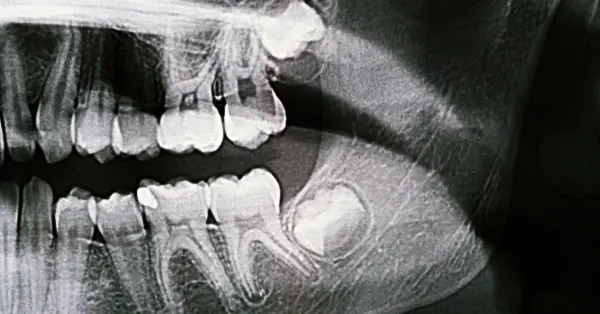
If you recently had (or are planning) wisdom teeth removal in Washington, DC, your biggest questions are usually about recovery: what you can eat, how long swelling lasts, and what symptoms are not normal. This guide is designed to be practical, easy to skim, and focused on the first two weeks after surgery.
TL;DR - A Simple, Safer Wisdom Teeth Recovery Plan
Most discomfort peaks early and then improves. Focus on protecting the blood clot, eating soft foods that do not irritate the sites, and calling promptly if pain or swelling gets worse instead of better.
- Eat soft foods first (cool or lukewarm), then slowly advance as chewing feels comfortable.
- Swelling is common and often peaks around days 2 to 3; cold compresses help most in the first 24 to 48 hours.
- Do not use straws or smoke early on, since suction can increase dry socket risk.
- Keep the mouth clean with gentle brushing and rinses as directed, avoiding aggressive swishing.
- Call right away for worsening pain after day 3 to 5, fever, pus-like drainage, or bleeding that will not slow.
What's "Normal" After Wisdom Teeth Removal (And What's Not)
A smooth recovery usually means symptoms rise briefly and then trend in the right direction. In our experience, patients do best when they expect some swelling and soreness early, but keep an eye out for symptoms that escalate after the first few days.
Common, Expected Symptoms
- Swelling in the cheeks or jaw area, especially for impacted teeth.
- Soreness and limited opening (jaw stiffness) for several days.
- Oozing or light bleeding early on, which should gradually slow.
- Mild bruising of the cheek or jawline.
- Fatigue and low energy for a day or two.
Not Normal: Signs You Should Check In
- Severe or increasing pain that spikes around day 3 to 5 (possible dry socket).
- Swelling that worsens after improving, or swelling with fever.
- Bad taste plus drainage that looks like pus, or persistent foul odor.
- Bleeding that does not slow after steady pressure per your instructions.
- Rash, trouble breathing, or facial swelling after taking a medication (possible allergic reaction, seek urgent care).
Eating After Wisdom Teeth Surgery: A Practical Timeline
The safest eating plan protects the extraction sites and avoids anything that can dislodge the clot (suction, crunchy foods, seeds, and hard chewing). If your post-op instructions differ from what's below, follow your surgeon's directions.
First 24 Hours: Cool, Soft, No Chewing
- Yogurt (no granola or seeds)
- Applesauce
- Pudding
- Smooth soups that are not hot
- Protein shakes (drink from a cup, not a straw)
Days 2 to 3: Soft Foods You Can "Mash" With Your Tongue
- Mashed potatoes
- Scrambled eggs
- Oatmeal (lukewarm)
- Macaroni or very soft pasta
- Soft fish
Days 4 to 7: Slow Return to Gentle Chewing
Start testing small bites on the opposite side if you had a one-sided extraction, or chew carefully if both sides were treated. Avoid chips, popcorn, nuts, rice that packs into sockets, and anything sharp.
- Soft chicken (shredded)
- Well-cooked vegetables
- Soft sandwiches (no crusty bread)
- Soft casseroles
Week 2: Progress as Comfort Allows
Many patients can work back toward a normal diet in week 2, but it is normal to still avoid crunchy foods if the sockets feel tender or collect debris easily.
Swelling, Pain, and Sleep: What Helps Most
Swelling Tips
- Cold compress on and off during the first 24 to 48 hours (as directed in your instructions).
- Head elevated when resting to reduce throbbing and swelling.
- Hydration supports healing and can reduce headache-like discomfort.
Pain Control Basics
Take medications exactly as prescribed or directed. Do not double up on medications, and avoid mixing pain medications with alcohol or sedatives unless you have been instructed that it is safe.
Sleep and Activity Guidance
- Plan for extra rest the first 1 to 2 days.
- Avoid strenuous activity early on, since it can increase bleeding and swelling.
- If you had sedation, follow your escort and driving restrictions.
Keeping the Area Clean Without Disturbing Healing
The goal is to reduce bacteria and food buildup while keeping the blood clot stable. Gentle care is better than aggressive rinsing.
- Brush carefully, avoiding direct brushing over the extraction sites at first.
- Rinse gently as instructed (often with salt water), letting the liquid fall out rather than forceful spitting.
- Avoid suction (straws) early on.
If you want a broader checklist for common post-op instructions (not just wisdom teeth), our surgical instructions page is a helpful reference.
When To Call Your Surgeon: A Clear Checklist
Call if you are unsure. It is always easier to address a concern early than to wait until pain or swelling becomes severe.
- Bleeding: heavy bleeding, or bleeding that does not slow after applying steady pressure as instructed.
- Dry socket concerns: increasing pain after initial improvement (often days 3 to 5), pain radiating to the ear, or a socket that looks "empty."
- Infection concerns: fever, worsening swelling, pus-like drainage, or a persistent foul taste with increasing pain.
- Medication issues: nausea/vomiting that prevents hydration, rash, hives, or any breathing difficulty.
- Numbness: numbness that does not begin to improve as expected (ask your surgeon what timeline applies to your case).
How Sedation Can Affect Recovery (And How To Prepare)
Many patients choose sedation to make wisdom teeth removal more comfortable. If you are comparing options, our sedation dentistry in Washington, DC page explains types of sedation and safety planning.
- Plan a ride and support: you may feel drowsy for the rest of the day.
- Start with fluids and soft foods: nausea can happen if you eat too much too soon.
- Follow all pre-op rules: especially around eating and drinking before anesthesia.
FAQs
Many people can gradually return toward more normal foods over the first 1 to 2 weeks, but timing depends on how many teeth were removed and how the sites are healing. Start with soft foods, then advance to foods you can chew comfortably without irritating the extraction areas. If chewing causes sharp pain, bleeding, or food keeps packing into the sockets, call your surgeon for guidance.
Swelling is often most noticeable during the first 2 to 3 days after surgery, then gradually improves. Using cold compresses in the first 24 to 48 hours and sleeping with your head elevated can help. If swelling suddenly worsens after initially improving, or is paired with fever or foul drainage, contact your surgeon.
Dry socket may cause increasing pain a few days after extraction, often day 3 to 5, pain that radiates toward the ear, and a socket that looks empty or has visible bone. Bad breath or a bad taste can also occur. If you suspect dry socket, call the office promptly so treatment can relieve pain and support healing.
You can usually brush the other teeth carefully the same day, avoiding the extraction areas. Rinsing is commonly started gently as directed, often with salt water, to keep the mouth clean without disrupting the clot. Avoid aggressive swishing or using straws early on, since suction and force can dislodge the clot.
Yes. Sedation can make the visit more comfortable for patients who feel anxious, have a strong gag reflex, or expect a longer appointment. Your surgeon will review your health history and explain which sedation option is appropriate and how to prepare safely.
Related Reading
- Wisdom Teeth in Washington, DC
- Pre and Post-Surgery Instructions
- Sedation Dentistry in Washington, DC
- What to Expect at Your First Visit
Conclusion: Aim for Steady Improvement, Not Perfection
A healthy recovery after wisdom teeth surgery is usually about small daily improvements: swelling trends down, pain becomes easier to control, and eating gets more comfortable. If your symptoms do the opposite, or you are simply unsure what you are experiencing, it is worth checking in.
Schedule Help With Wisdom Teeth Recovery
If you have questions about healing, eating, swelling, or pain after wisdom teeth removal, our team at ORAL SURGERY DC can help you understand what is normal and what needs attention. Call (202) 610 0600 to schedule a visit or get post-op guidance.
For scheduling details, you can also review our appointment scheduling information.





5 Stars
based on 11 reviews
5 Stars
based on 11 ratings