Who Is the Ideal Candidate for Bone Grafting in Washington?
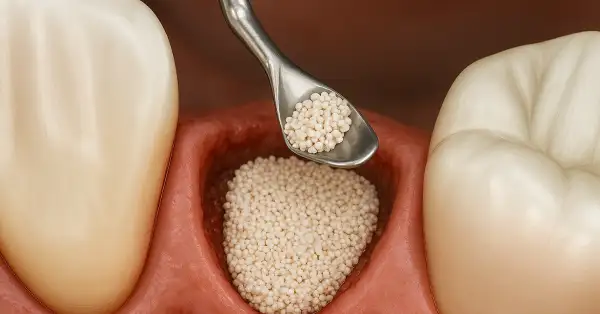
A strong, healthy smile begins with a solid foundationyour jawbone. But for many people, bone loss can occur slowly over time due to missing teeth, gum disease, injuries, or natural aging. When this foundation weakens, it becomes difficult to restore teeth or support dental procedures without additional reinforcement. Thats where bone grafting becomes a transformative solution. Bone grafting rebuilds, strengthens, and reshapes areas of the jaw that have deteriorated, making it an essential first step for many restorative and cosmetic treatments.
In our previous blog, we discussed the expert tips to heal faster after a bone grafting procedure. In this blog, we will go through the scenarios that determine whether an individual is ideal for a bone grafting treatment.
5 Situations That Make Someone an Ideal Candidate for Bone Grafting
If youve been considering options to improve your oral health or replace missing teeth, you may be wondering whether youre an ideal candidate for this procedure. Understanding the common situations that call for bone grafting can help you make a confident, informed decision about your dental future. Below, we explore the five most common patient scenarios where bone grafting becomes the right and necessary choicealong with a brief explanation of why each one benefits from this specialized treatment.
-
Patients Preparing for Dental Implants
Many individuals discover they need bone grafting when planning to receive dental implants in Washington. Dental implants rely on a strong and dense jawbone to anchor securelymuch like a tree requires firm soil to take root.
- Insufficient bone height or width: Without enough bone, implants cannot integrate properly.
- Bone loss from missing teeth: When a tooth is lost, the jawbone begins to shrink within months.
- Improved long-term stability: A graft restores the strength needed to support the implant for years.
Bone grafting ensures the jaw is stable enough to hold an implant and prevents future complications.
-
Individuals With Advanced Gum Disease (Periodontitis)
Periodontal disease is one of the leading causes of bone loss in adults. When infection damages the gums and bone, it weakens the structure that supports your teeth.
- Loss of bone around teeth: This creates mobility or gaps in the smile.
- Restoring tooth stability: A graft helps rebuild areas affected by gum disease.
- Preventing tooth loss: Strengthening the bone reduces the risk of teeth shifting or falling out.
Bone grafting offers a second chance for patients with gum disease by reinforcing areas damaged from chronic inflammation.
-
Patients With Facial Trauma or Jaw Injuries
Accidents, sports injuries, or impact to the face can physically damage the jawbone. For these patients, bone grafting isn't just cosmeticit's essential for function.
- Repairing fractures or bone defects: Trauma can leave hollow or uneven areas.
- Restoring facial symmetry: Rebuilding bone helps correct visible changes in appearance.
- Preparing for restorative treatments: A reconstructed jaw can support implants or dentures later.
Trauma-related bone grafts play a critical role in rebuilding the jaw and restoring confidence.
-
Patients Seeking a Comfortable, Anxiety-Free Procedure
Some individuals avoid necessary dental treatment due to anxiety or fear, making the availability of sedation dentistry in Washington a reassuring benefit. When paired with sedation options, bone grafting becomes much more accessible.
- Reduced anxiety during the procedure: Sedation helps patients stay relaxed and comfortable.
- Ideal for complex grafting cases: Longer or multi-area grafts become easier to tolerate.
- Encourages timely treatment: Patients who feel calm are more likely to restore their oral health sooner.
Sedation strengthens the patient experience, making bone grafting approachable for those who fear dental treatment.
-
People With Long-Term Tooth Loss and Significant Bone Resorption
Even if tooth loss happened years ago, bone grafting can still help. When the jawbone no longer receives stimulation from chewing, it begins to deteriorate.
- Collapsed or sunken facial structure: Bone resorption can change the shape of the smile and face.
- Insufficient support for restorations: Without bone, dentures or implants become difficult to fit.
- Reconstruction of jaw volume: Grafting restores the natural structure lost over time.
For patients seeking restorative options later in life, early bone restoration provides a strong foundation moving forward.
Conclusion
Bone grafting in Washington has become an essential treatment for patients with bone loss, missing teeth, gum disease, facial injuries, or long gaps in dental care. It lays the groundwork for restorative services like implants, improves facial structure, and boosts long-term oral health. If you recognize yourself in any of the five scenarios above, you may be the perfect candidate for bone grafting.
The first step is scheduling a consultation with a skilled oral surgeon who can evaluate your jawbone and recommend a personalized treatment plan. With the right care, technology, and expertise, you can regain a strong foundation and restore confidence in your smile. Call now at (202) 610 0600!




5 Stars
based on 11 reviews
5 Stars
based on 11 ratings