Comparing Nitrous and Oral Sedation Dentistry in Washington
TL;DR Key Takeaways
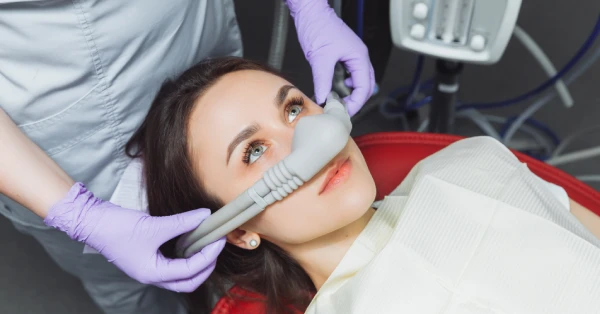
- Nitrous sedation works quickly and allows patients to stay awake and responsive during treatment.
- Oral sedation provides deeper relaxation and may reduce memory of the procedure.
- Nitrous sedation wears off fast, letting patients resume normal activities sooner.
- Oral sedation lasts longer and typically requires someone to drive the patient home.
- The right sedation option depends on anxiety level, procedure complexity, and recovery needs.
Dental anxiety is a common concern that affects patients of all ages and can delay or prevent necessary dental treatment. To address this, sedation dentistry in Washington offers safe and effective ways to help patients stay calm and comfortable during procedures. The two most commonly used options are nitrous sedation and oral sedation, each designed to reduce anxiety in different ways.
Understanding how these sedation methods compare helps patients choose the option that best fits their comfort level, treatment length, and recovery preferences. This guide explains the key differences between nitrous and oral sedation so patients exploring sedation methods can make informed, confident decisions before their appointment.
Five Major Differences Between Nitrous and Oral Sedation
Both nitrous and oral sedation are safe, widely used methods that help reduce stress and discomfort during dental treatment. While they share the same goalmaking dental visits more comfortabletheir effects, delivery, and recovery experience differ significantly. Below is a clear, patient-friendly breakdown to help you understand how each option may affect your comfort, awareness, and recovery.
-
Speed of Relaxation and Anxiety Control
Nitrous sedation begins working within minutes of inhalation, helping patients feel calm almost immediately. This rapid effect makes it especially useful for patients who feel anxious as soon as treatment begins. Oral sedation, taken before the appointment, takes longer to activate but often provides a deeper sense of relaxation, which can be beneficial for patients with intense dental fear.
-
Level of Awareness During Treatment
Patients using nitrous sedation remain fully awake and responsive, allowing easy communication throughout the procedure. This can help patients feel more in control while still relaxed. Oral sedation often causes drowsiness and partial memory loss, which can be helpful for patients who prefer not to recall the procedure and want a more detached experience.
-
Comfort and Sensitivity Management
Both forms of sedation reduce physical discomfort, but they do so differently. Nitrous helps dull sensitivity while keeping patients alert, making it ideal for moderate treatments. Oral sedation provides a stronger calming effect, allowing patients to remain still and comfortable during longer or more involved procedures, such as dental implants in Washington treatments that require extended chair time.
-
Recovery Time and Post-Treatment Effects
One major difference lies in how long sedation effects last. Nitrous wears off quickly once the mask is removed, allowing patients to resume daily activities shortly after treatment. Oral sedation lingers longer, meaning patients may feel tired or unsteady for several hours and typically need someone to drive them home.
-
Suitability for Complex Dental Procedures
Nitrous sedation is commonly used for routine and moderately invasive treatments due to its flexibility and quick recovery. Oral sedation is often preferred for complex procedures that demand sustained relaxation and cooperation, such as bone grafting in Washington procedures, where patient stillness and comfort play a critical role in procedural success.
Nitrous vs Oral Sedation Comparison Table
| Feature | Nitrous Sedation | Oral Sedation |
|---|---|---|
| Method of Delivery | Inhaled through a mask | Taken as prescribed medication |
| Onset Time | Works within minutes | Takes time before the appointment |
| Patient Awareness | Awake and responsive | Drowsy with limited awareness |
| Anxiety Reduction | Mild to moderate | Moderate to deep |
| Recovery Time | Very short | Several hours |
| Transportation Needed | No | Yes |
| Ideal For | Short or moderate procedures | Longer or complex treatments |
Choosing the Right Sedation Option
The right sedation method depends on multiple factors, including anxiety level, procedure complexity, and personal comfort preferences. Some patients value immediate recovery and alertness, while others prioritize deeper relaxation and minimal memory of treatment. A professional consultation helps determine which option aligns best with your needs and overall oral health goals.
Conclusion
Both nitrous and oral sedation have transformed the dental experience by making treatment more comfortable, accessible, and stress-free. Understanding how these options differ empowers patients to choose sedation confidently and avoid unnecessary anxiety. When used appropriately, sedation dentistry not only improves comfort but also supports better treatment outcomes and long-term oral health. With the right guidance, patients can approach dental care feeling calm, informed, and reassured.
Schedule a consultation today at (202) 610 0600 to discuss your sedation options, ask questions, and take the first step toward stress-free dental treatment with a team that prioritizes your comfort, safety, and long-term oral health.





5 Stars
based on 11 reviews
5 Stars
based on 11 ratings