"Same-Day" Dental Implants in DC: What It Really Means (And When It Does Not)
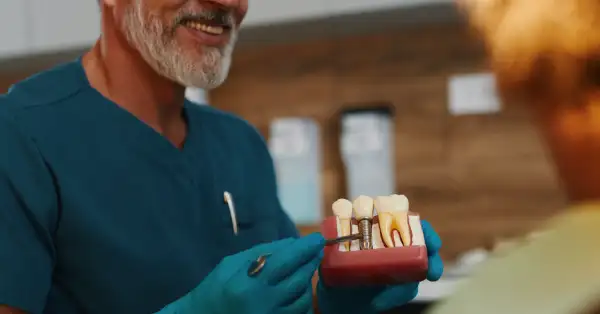
If you are searching for dental implants in Washington, DC, you have probably seen ads and headlines promising "same-day implants." The idea is appealing: fewer visits, faster results, and less time without teeth. The truth is that same-day treatment can be real, but it is not the right fit for every mouth or every missing-tooth situation.
TL;DR - Same-Day vs Traditional Implants in Washington, DC
"Same-day" is a marketing phrase that can describe several different implant scenarios. The safest plan is the one that matches your bone health, bite, and healing needs, even if it takes longer.
- Same-day can mean: implant placed right after extraction, or a temporary tooth placed soon after, not always a final tooth.
- Traditional timelines are common: many patients need healing time before the final restoration.
- Bone grafting matters: a bone graft in Washington, DC can be a key step when bone volume is limited.
- Sedation can help: sedation dentistry in Washington, DC may improve comfort and reduce anxiety for eligible patients.
- Best next step: a consultation to confirm candidacy and define what "same-day" would realistically mean for you.
For a detailed overview of implant basics, you can also review our dental implants in Washington, DC service page.
Why "Same-Day" Can Sound Simple But Mean Different Things
In implant dentistry, "same-day" is not one standardized procedure. Different offices may use it to describe:
- Extraction and implant placement in one visit (when infection risk and bone stability allow).
- Immediate provisionalization, meaning a temporary tooth is placed soon after implant placement in select cases.
- Full-arch concepts where a temporary fixed bridge is attached to implants on the day of surgery for certain candidates.
- Fast-start scheduling, meaning you can be seen quickly, not necessarily finished quickly.
The important patient question is not "Do you do same-day?" It is: What exactly will I leave with that day? An implant placed? A temporary tooth? Or simply a plan and next steps?
Same-Day Dental Implants vs Traditional Implants: Key Differences
Traditional Implants (The Predictable, Common Path)
Traditional implant care is built around healing and long-term stability. Often, the implant is placed and then allowed time to integrate with the bone before the final tooth is attached. This approach may be recommended when bite forces are high, bone quality is limited, or the implant site needs more support.
Same-Day Approaches (Faster, But Case-Dependent)
Same-day approaches focus on reducing steps when the biology and mechanics are favorable. A key requirement is initial stability, which is the implant feeling secure at placement. Without that stability, loading the implant too soon can increase the risk of complications.
Who Is a Good Candidate for "Same-Day" Implant Treatment?
Candidacy depends on what you mean by "same-day" and what your mouth can safely handle. Your exam may include imaging to evaluate bone levels, anatomy, and the proposed implant position.
Factors That Can Support Same-Day Plans
- Healthy gum and bone conditions around the site.
- A tooth position with manageable bite forces (some areas are more forgiving than others).
- Enough bone volume and density for stable placement.
- Good overall health and healing capacity, based on your medical history.
Factors That Commonly Push Treatment Toward a Traditional Timeline
- Not enough supporting bone (may indicate a need for grafting).
- Active infection or significant inflammation around the tooth being replaced.
- Complex bite issues that could overload an implant too soon.
- Multiple missing teeth where a staged plan is safer and more predictable.
An experience-based observation from our team: patients are often relieved once we translate "same-day" into a clear, personalized plan (what is placed now, what heals, and what is finalized later). That clarity tends to reduce anxiety and helps people feel in control of the process.
Where Bone Grafting Fits In (And Why It Can Change Timing)
Bone volume is one of the biggest reasons implant timelines vary. If there is not enough bone to anchor an implant properly, a bone graft may be recommended to rebuild support. Learn more on our bone grafting in Washington, DC page.
Common Decision Points for a Bone Graft
- After a tooth has been missing for a while: bone can shrink over time, reducing the available foundation.
- After extraction: grafting may be used to help preserve the ridge for future implant placement.
- When implant positioning needs added support: grafting can help create a safer, more ideal implant site.
Bone grafting does not automatically rule out same-day implant placement, but it can make a staged approach the better option depending on the site and the amount of rebuilding needed.
How Sedation Can Affect the "Same-Day" Experience
When people search "same-day," they often mean "I want this to be manageable." Comfort matters, and sedation can be part of that. Our sedation dentistry in Washington, DC page explains options and safety planning in more detail.
What Sedation Can Help With
- Dental anxiety and stress around surgery.
- Longer appointments where staying relaxed is important.
- Strong gag reflex or difficulty tolerating dental procedures.
How Sedation Changes Your Planning
- Pre-op instructions may include restrictions on eating and drinking.
- Transportation may be required, depending on the type of sedation used.
- Recovery day expectations can be different than with local anesthesia alone.
Questions to Ask So You Know What "Same-Day" Means for You
Bring these questions to your consultation so you can compare options accurately:
- On the day of surgery, what will be completed? Implant placement, temporary tooth, or both?
- What makes me a good (or poor) candidate for immediate loading?
- Do I need a bone graft, and if so, is it separate or same visit?
- What is my estimated healing timeline before the final restoration?
- Which sedation option is appropriate for my health history?
If you are new to our office, our first visit page explains what to expect at an initial consultation.
In Washington, DC, What Should You Expect From Implant Marketing Claims?
Many page-one competitors highlight speed and dramatic outcomes. Speed can be a benefit, but only when it is supported by good diagnostics, a stable implant, and a plan that protects long-term success.
A helpful mindset: consider "same-day" a possible scheduling format, not a promise of a one-day finish. The goal is a stable, functional result that lasts.
FAQs
"Same-day" can mean different things, such as placing an implant the same day as a tooth extraction, attaching a temporary tooth shortly after implant placement (when appropriate), or starting treatment quickly after a consultation. It does not always mean you will have a final crown the same day.
Sometimes a temporary tooth can be placed soon after implant placement, but this depends on stability of the implant, your bite forces, the implant location, and your bone quality. Many patients still need a healing period before a final crown is attached.
A bone graft may be recommended when there is not enough bone to support an implant in a stable, predictable way. In some cases grafting is done at the time of extraction, and in other cases it is a separate step. Healing time varies, but grafting can add time before implant placement or before loading the implant.
Sedation may be an option for patients who feel anxious, have a strong gag reflex, or want a more comfortable experience. The right type of sedation depends on your health history and the complexity of the procedure, and you will receive specific pre-op and post-op instructions.
Ask what "same-day" would mean in your specific case, whether you may need bone grafting, what type of sedation is appropriate, what your expected healing timeline is, and when you can expect a temporary and final tooth replacement.
Related Reading
- Dental Implants in Washington, DC
- Bone Grafting in Washington, DC
- Pre and Post-Surgery Instructions
- What to Expect: Pre, During, & Post Bone Grafting in Washington
- Sedation Dentistry in Washington, DC
Conclusion: Fast Is Only Helpful When It Is Also Predictable
Same-day implant treatment can be a great option for the right candidate, but the best outcome comes from matching the plan to your bone, your bite, and your healing needs. If you are comparing "same-day" versus a traditional approach, focus on what you will have that day, what needs to heal, and what the long-term goal is.
Schedule an Implant Consultation
To talk through same-day options and get a clear plan for dental implants in Washington, DC, contact ORAL SURGERY DC to schedule a consultation with Dr. Tania Nkungula. Call (202) 610 0600.
For appointment logistics, visit our scheduling page.



5 Stars
based on 11 reviews
5 Stars
based on 11 ratings