Do You Need a Bone Graft Before Dental Implants? Key Signs And Options
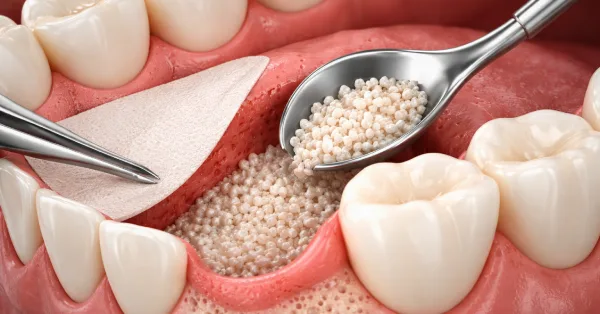
If you are considering bone grafting in Washington as part of replacing missing teeth, you are not alone. Many people want dental implants, but worry they have been missing a tooth too long, had an infection, or were told their jawbone is "too thin." Bone grafting is often the step that helps rebuild a stable foundation so an implant can be placed more safely and predictably.
In our experience, the most helpful starting point is not "How is the surgery done?" but rather "Do I actually need a graft, and if so, which kind?" This guide focuses on those decision points and your next best steps.
TL;DR - A Bone Graft Is About Building a Stable Implant Foundation
Bone grafting is recommended when there is not enough healthy jawbone to support a dental implant. The only way to know for sure is a surgical consultation with imaging.
- Common reasons: tooth has been missing for a while, bone loss after infection, thin ridge after extraction.
- Common graft types: socket graft (ridge preservation), ridge augmentation, sinus lift (upper back teeth).
- Timing varies: some grafts heal before implants, while other situations may allow same-day implant placement.
- Comfort options exist: sedation dentistry may help reduce anxiety for grafting and implant visits.
- Best next step: ask what the scan shows, what success depends on, and what your personalized sequence looks like.
If you want a broad overview of implant care, you can also review our page on dental implants in Washington, DC.
What Bone Loss Has to Do With Dental Implants
Dental implants need enough bone volume and bone quality to stay stable. After a tooth is removed (or lost due to trauma or infection), the jawbone in that area can shrink over time because it no longer gets the same stimulation from chewing forces. That shrinkage can affect both the height and width of the ridge where an implant would normally be placed.
Bone grafting is designed to rebuild or preserve bone so the implant has a solid base, and so the final tooth replacement can be positioned in a way that is functional and easier to keep clean.
Signs You May Need Bone Grafting in Washington Before an Implant
Some signs are obvious (like a missing tooth for many years), while others require imaging to confirm. Here are common scenarios that often lead to a graft recommendation:
1) The Tooth Has Been Missing for a While
The longer a space goes without a tooth root (or implant), the more likely the ridge has narrowed. You might notice the gum and bone look "sunken" in that area, but the true picture comes from x-rays or 3D imaging.
2) Past Infection, Abscess, or Advanced Gum Problems
Infections can damage the supporting bone. Even after the infection is treated or the tooth is removed, the area may need grafting to rebuild a healthy foundation for an implant.
3) A Thin Ridge After Extraction
Sometimes there is not enough width for an implant, even if the tooth was removed recently. A socket graft or ridge augmentation can help preserve or rebuild the ridge shape.
4) Upper Back Teeth and Low Sinus Floor
For upper molars and premolars, the sinus space can limit available bone height. A sinus lift graft is one approach that may create enough bone height for an implant when anatomy requires it.
5) You Wear a Denture in the Area
Dentures can be a helpful temporary or long-term solution, but long-term tooth loss can still be associated with ongoing ridge changes. An implant consultation can clarify whether grafting is needed to transition to implants.
Bone Grafting Options (Without the Step-by-Step Timeline)
The "best" graft is the one that matches your anatomy and the implant plan. In general, bone grafting options for implant preparation may include:
- Socket grafting (ridge preservation): often considered at the time of extraction to help maintain ridge shape for future implants.
- Ridge augmentation: adds bone where the ridge is too narrow or has collapsed, helping create room for implant placement.
- Sinus lift grafting: used in certain upper jaw cases when bone height is limited near the sinus.
- Targeted grafting around an implant: sometimes used to address minor deficiencies when placing an implant, depending on stability and the clinical plan.
For a higher-level overview of types and candidacy, our bone grafting in Washington, DC service page explains common approaches and why they are used.
How Bone Grafting Can Change Implant Timing
Many competitor pages keep this vague, but timing is often the patient's main concern. The key point is that grafting can change sequence, not just dates on a calendar. Depending on your case, your plan may be:
Option A: Graft First, Then Place the Implant After Healing
This is common when the ridge needs rebuilding before an implant can be stable enough.
Option B: Extract and Graft to Preserve Bone for a Future Implant
If a tooth is failing, a socket graft at extraction may help preserve the area and support a future implant plan.
Option C: Implant Placement With Grafting in the Same Phase (Case-Dependent)
In some situations, grafting can be combined with implant placement. This depends on bone stability, infection control, and your anatomy. Your surgeon will explain whether same-phase treatment is appropriate and what it means for healing.
If you are preparing for any procedure involving anesthesia or sedation, our surgical instructions page is a useful reference for general pre- and post-surgical guidance.
Comfort and Anxiety: Where Sedation Dentistry Fits In
If the idea of grafting or implants makes you nervous, you can ask about comfort options. Many patients choose sedation dentistry to help them feel calmer and to make longer appointments feel easier.
We outline sedation types and safety considerations on our sedation dentistry in Washington, DC page.
Questions to Ask at Your Bone Graft and Implant Consultation
A strong consultation should leave you with a clear plan and clear expectations. Consider asking:
- What does my imaging show about bone height and width? Ask to see the area on the scan.
- Is grafting required or recommended? Clarify if it is necessary for safety/stability versus helpful for long-term predictability.
- Which graft option is best for my implant plan? (Socket graft, ridge augmentation, sinus lift, or another approach.)
- Can the implant be placed the same day, or is a staged approach safer?
- What are the main risks in my specific case? Including infection history, smoking, medical conditions, or bite forces.
- What should I do now to protect the bone? For example, avoiding pressure from certain temporary appliances or improving oral hygiene.
To understand how consultations typically work at our office, you can review what to expect at your first visit.
In our previous blog, "What to Expect: Pre, During, & Post Bone Grafting in Washington," we discussed the general flow of the procedure and aftercare. In this article, we focus on the decision points that determine whether grafting is needed and which option makes sense.
FAQs
You cannot confirm it by appearance alone. The decision is usually based on an exam and imaging (often a 3D scan) that shows whether there is enough bone height and width to stabilize an implant safely. Common scenarios include long-standing missing teeth, advanced gum disease history, or bone loss after infection or extraction.
Not necessarily. Bone grafting is often recommended specifically to make dental implants possible or more predictable by rebuilding the foundation. Your surgeon will explain whether grafting is needed, what type, and how it affects timing.
Common options include socket grafting (ridge preservation) after an extraction, ridge augmentation for thin areas, and sinus lift grafting for upper back teeth when there is limited bone height. The best approach depends on your anatomy and implant plan.
Some grafts are placed at the same visit as an extraction or as part of implant planning, then require healing time before an implant can be placed. In certain cases, an implant can be placed the same day as a graft, but only when stability and anatomy allow. Your surgeon will review the safest sequence for your case.
Yes. Sedation dentistry can help many patients feel calmer and more comfortable during procedures like bone grafting or dental implant placement. Your surgeon will review your medical history, procedure complexity, and safety considerations to recommend an appropriate option.
Related Reading
- Bone Grafting in Washington, DC
- Dental Implants in Washington, DC
- Sedation Dentistry in Washington, DC
- What to Expect: Pre, During, & Post Bone Grafting in Washington
- Contact Us
Conclusion: The Right Plan Starts With the Right Questions
Bone grafting is not an automatic "extra step." It is a targeted solution when the jaw needs more support for long-term implant stability. If you are exploring dental implants and want clarity about whether grafting is necessary, a consultation and imaging can turn guesswork into a plan you can feel confident about.
Next Steps: Schedule a Bone Graft and Implant Consultation
If you are looking for guidance on bone grafting in Washington and how it connects to dental implants, our team at ORAL SURGERY DC is here to help. Dr. Tania Nkungula can review your imaging, explain your options, and outline the safest sequence for your needs.
Call (202) 610 0600 to schedule a consultation.
You can also review our appointment scheduling information before your visit.




5 Stars
based on 11 reviews
5 Stars
based on 11 ratings