5 Reasons Patients Choose Sedation Dentistry in Washington
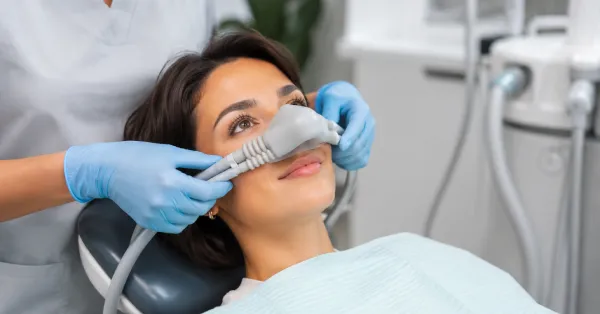
Many patients put off oral surgery for months not because of the procedure itself, but because anxiety about the visit feels impossible to push through. That hesitation is something our oral surgery team understands, and it is one of the biggest reasons sedation options exist. After our post on the treatments that use sedation dentistry walked through specific procedures, the next question we hear most is: why does sedation actually make such a difference?
TL;DR Why Sedation Changes the Entire Experience
Sedation dentistry gives anxious patients a way to get necessary oral care without the dread that used to stop them. Here is what this guide covers:
- How sedation removes the fear barrier that keeps patients from booking procedures
- Why sedation leads to more efficient appointments and fewer return visits
- How it benefits patients with sensitive gag reflexes or complex treatment needs
- What role sedation plays in major procedures like bone grafting and implants
- Why our surgical team treats sedation as a standard part of comfortable care
5 Reasons Sedation Dentistry Makes a Real Difference for Patients
From nitrous oxide for mild nerves to IV sedation for complex oral surgery, our practice offers the full spectrum of sedation options. These are the reasons patients tell us sedation changed their relationship with care.
-
It Removes the Fear That Keeps Patients From Getting Care
Dental anxiety is far more common than most people admit. For patients who feel physical dread at the thought of an appointment, sedation dentistry in Washington offers a medically supported way to get through the procedure without that overwhelming response. Nitrous oxide, oral sedation, and IV sedation each target anxiety at a different level so the approach is matched to what the patient actually needs, not a one-size solution.
-
It Allows the Surgical Team to Work More Efficiently
When a patient is relaxed and still, the surgeon can move with greater precision and fewer interruptions. This is especially relevant for longer procedures such as wisdom teeth removal or multi-stage surgical work. A sedated patient means the team is not pausing to manage discomfort or reaction the procedure runs more smoothly and is often completed in less time. Patients requiring wisdom teeth removal who opt for IV sedation consistently report that the appointment felt shorter and less taxing than they anticipated.
-
It Makes Complex Procedures Far More Manageable
According to the American Dental Association, dental anxiety affects an estimated 36 percent of the population, with a smaller subset experiencing severe dental phobia that prevents them from seeking any care at all. For those patients, sedation is not optional it is the only path to getting necessary treatment. Procedures like bone grafting in Washington, which require the patient to remain still during precise surgical work on the jawbone, are significantly more comfortable under sedation.
-
It Helps Patients With Sensory Challenges or a Strong Gag Reflex
Not every patient avoids dental care because of fear. Some have a heightened gag reflex that makes even routine work physically difficult. Others experience sensory sensitivities that make the sounds, lights, or instruments of an oral surgery environment genuinely overwhelming. For patients looking for oral surgery who face these specific challenges, sedation reduces or eliminates those involuntary responses making it possible to complete treatment that would otherwise be interrupted repeatedly. Our team evaluates each patient individually to determine the right sedation level before any procedure begins.
-
It Supports Better Long-Term Oral Health Outcomes
The single most common reason patients delay dental care is the anticipation of discomfort. When that barrier is removed, patients come in more consistently, catch problems earlier, and require less intensive treatment over time. Sedation dentistry is one of the most practical tools for supporting dental care not just for a single appointment, but as part of a sustainable approach to oral health that patients can actually follow through on. Procedures like dental implants in Washington, which require multiple coordinated appointments, are far more achievable for anxious patients when sedation is part of the plan from the start.
What is your next step? Contact our team at (202) 610-0600 or request an appointment online we will walk you through your sedation options before your first visit so there are no surprises.
Frequently Asked Questions About Sedation Dentistry in Washington
1. Is sedation dentistry safe for all patients?
Most patients are good candidates, but eligibility depends on medical history, current medications, and the type of procedure. Our team reviews each patient's health background before recommending a sedation method to ensure the safest and most appropriate approach.
2. Will I be unconscious during sedation?
In most cases, no. Nitrous oxide and oral sedation keep you awake but deeply relaxed. IV sedation produces a deeper state of calm while still allowing you to respond to our team. General anesthesia is used only when clinically necessary for highly complex procedures.
3. How should I prepare for a sedation appointment?
Preparation depends on the sedation level. For IV sedation, patients are typically instructed to fast for several hours beforehand and arrange for a trusted person to drive them home. Our team provides complete pre-appointment instructions specific to your procedure and sedation type.
4. Can sedation be used for bone grafting in Washington?
Yes. Bone grafting is one of the procedures our team most commonly performs under sedation. The procedure requires precision and patient stillness, and sedation ensures both while keeping the patient comfortable throughout.
5. What happens after sedation wears off?
Most patients feel mildly drowsy for a few hours after the appointment. Nitrous oxide clears the system quickly, while oral and IV sedation require more recovery time. We provide clear post-procedure instructions and recommend resting for the remainder of the day.
The Care You Need, Without the Anxiety That Has Been Stopping You
Sedation dentistry exists for exactly this reason: to make oral surgery accessible to every patient, not just those who never feel nervous. Our practice offers the full range of sedation options under the direction of a board-certified oral and maxillofacial surgeon with decades of experience. Whatever has kept you from booking that appointment, we have a solution for it. Call us at (202) 610 0600 to take the first step toward the care you have been putting off.




5 Stars
based on 11 reviews
5 Stars
based on 11 ratings